ExpoSignalz Attends the Global Exposome Symposium in Bordeaux
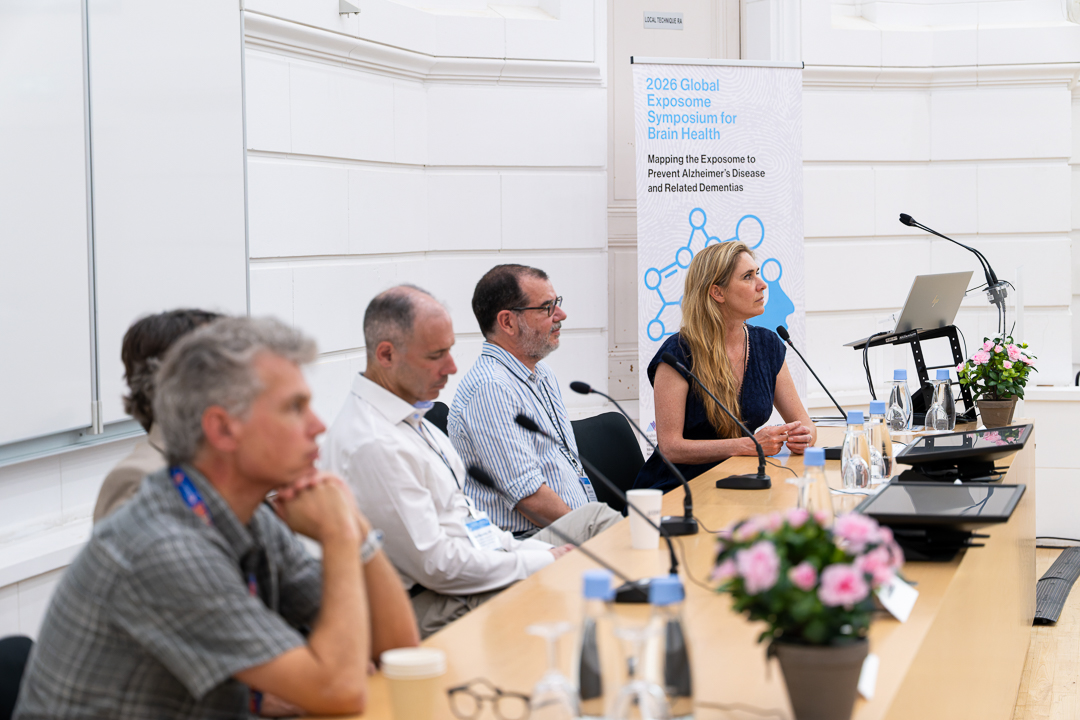

In June this year, ExpoSignalz attended the 2026 Global Exposome Symposium for Brain Health in Bordeaux.
The meeting focused on advancing research into how environmental exposures across our lifespan can shape the risks of Alzheimer’s disease and other forms of dementia. ExpoSignalz was represented at the symposium by the University of Bordeaux’s Cécilia Samieri (also acting as co-host) and Arthur David from EHESP. They both gave talks at the event, and Cécilia also chaired a panel debate on ‘Incorporating Exposomics into Ageing Research.’
ExpoSignalz researchers Véronique Perrier, Joan Torrent, Tahiana Andriambelosoa and Matteo Gilone also presented their research posters about their latest work.
It was the 11th Exposome Symposium hosted by the Mount Sinai Institute for Exposomic Research, the University of Bordeaux, INSERM and the Brookdale Department of Geriatrics and Palliative Medicine at Icahn School of Medicine. It was the first to be held in France, but was supported by global partners involved in exposomic research. Teams from across the globe gathered to discuss the latest progress in understanding and preventing neurodegenerative diseases linked to factors in our environment.
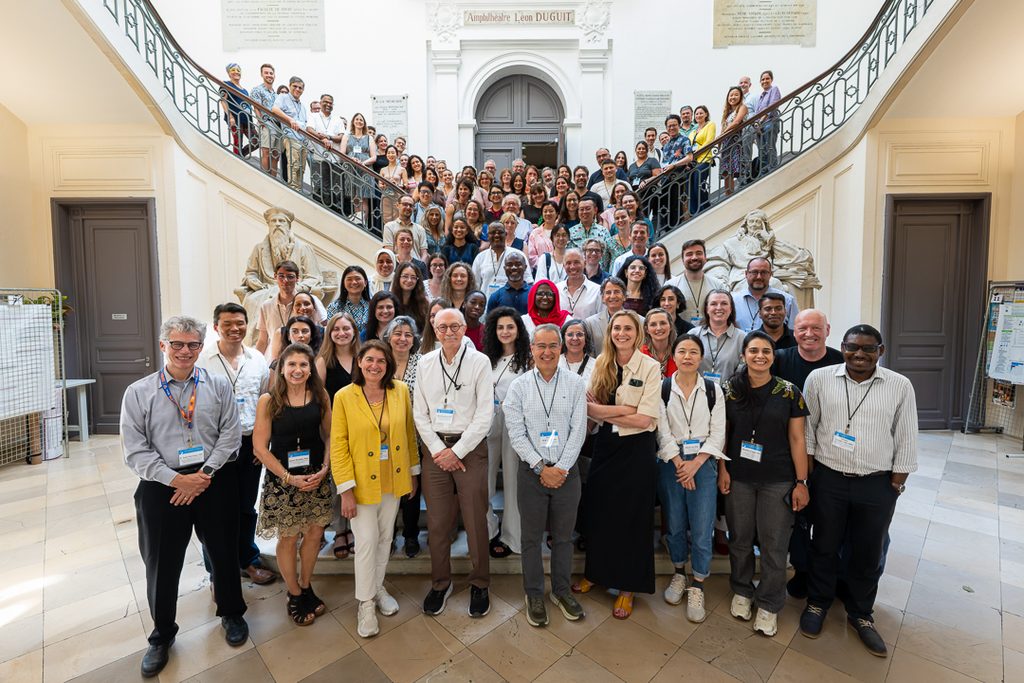
The symposium celebrated two decades of progress in understanding the exposome, whilst discussing the next big steps in research. Keynote speakers looked back on the evolution of the ‘exposome’ concept and discussed widening the focus beyond individual exposures towards the full range of environmental influences.
There were also exciting showcases of new technologies – like wearable sensors and ‘exposome-wide association studies’ powered by artificial intelligence and computational tools. The hope is that this will push the field closer towards precision prevention – using a range of techniques to predict who might be vulnerable to Alzheimer’s disease, years before symptoms appear.
The symposium also celebrated early-career researchers from across the world, who presented their work in poster sessions, helping to build their network and push forward exposome research.
The meeting finished with a session covering the Global Human Exposome Project. Bringing together leaders from the National Institutes of Health and international research networks, they discussed opportunities for data to be harmonised, forging regional partnerships, and accelerating discoveries.
Events like this are critical to bring researchers together, build scientific capacity and foster collaboration. ExpoSignalz is one of many projects working to understand how our environment can affect brain health. Whilst we are primarily focused on European exposure to chemical pollutants, sharing our research and creating networks will benefit people around the globe.